
AI Community Talks
In May 2026, I spoke at the AIxED Connect conference, where I presented a pedagogical framework for redesigning assignments in the age of AI. My talk introduced the concept of AI as Co-Intelligence, distinguishing passive AI use from an approach where students direct and critically evaluate AI using domain knowledge and critical thinking. I shared concrete examples from my courses at UMass Boston, including prompt libraries and metacognitive reflection strategies. I had many thoughtful conversations with like-minded educators and researchers who are actively thinking about the future of education and the evolving role of AI in learning.
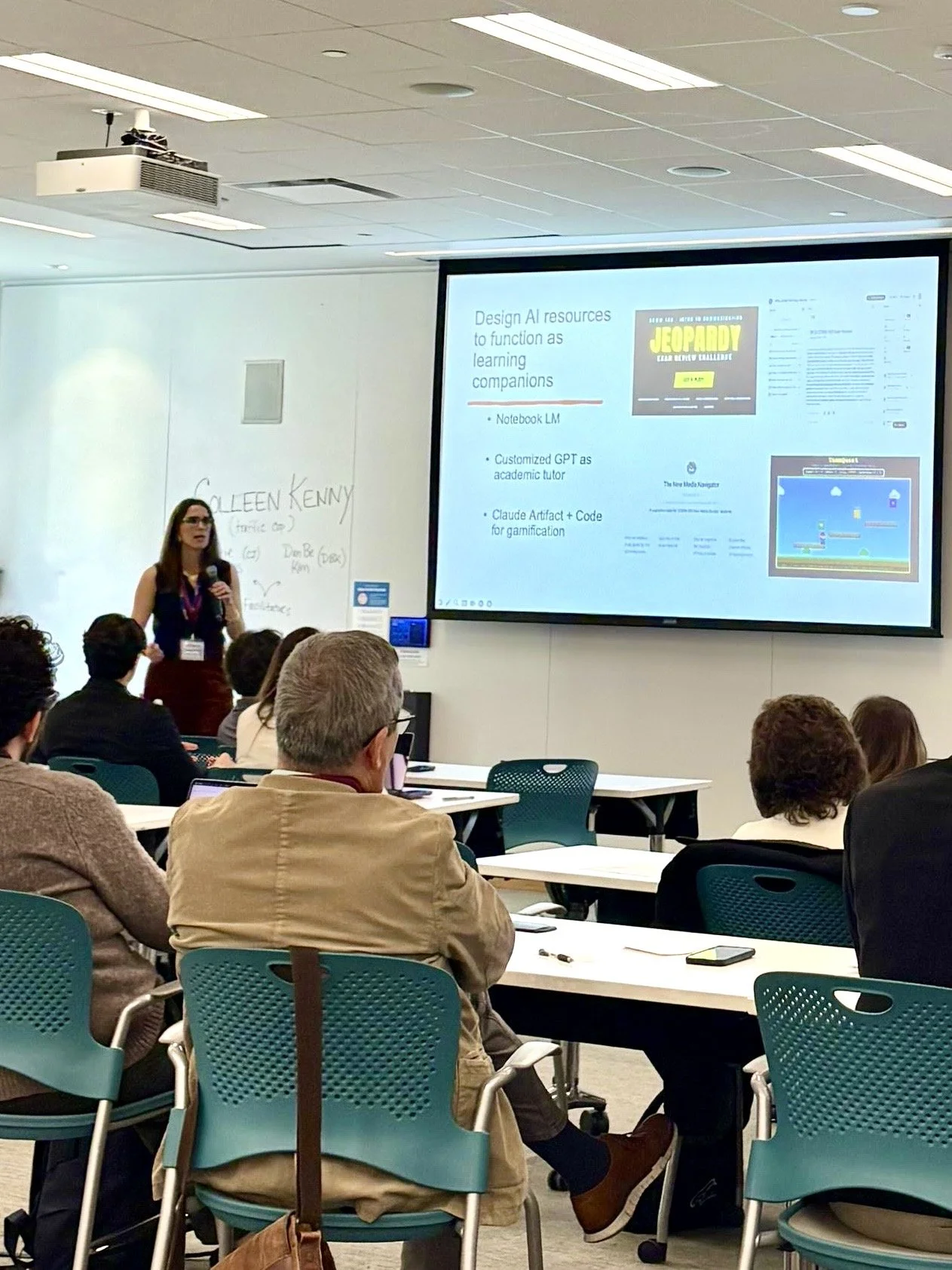
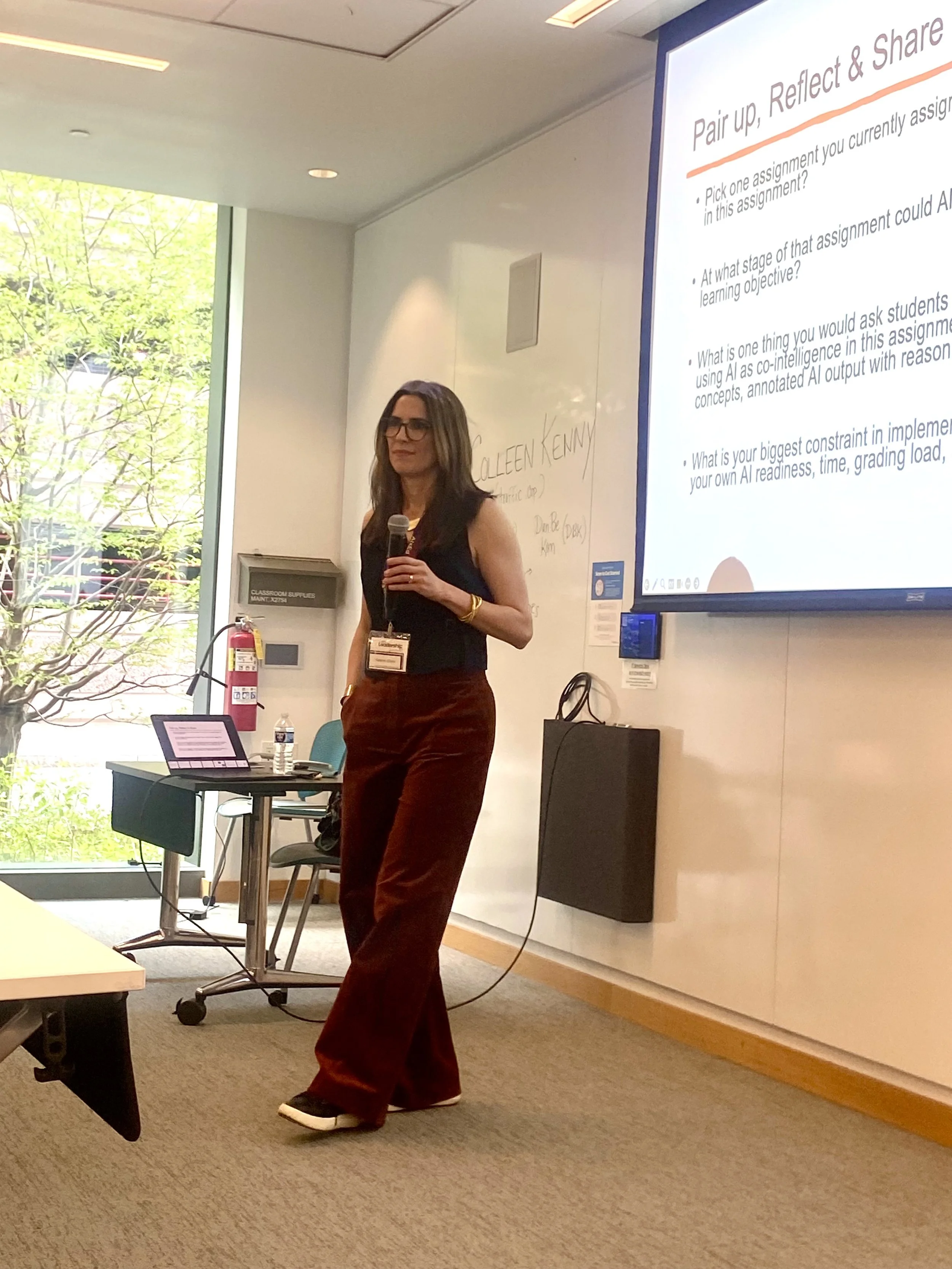
In May 2026, I returned to the UMass Boston UCTLT 2026 Conference for the second year as both an organizer and a speaker. The conference theme centered on Higher Education and AI, a conversation that grows more urgent every year. In my talk, I emphasized the importance of asking the right questions about AI and making proactive pedagogical choices. As professors, we should decide when to bring AI into the learning process and when to leave it out. I left energized by my fellow educators who are asking the hard questions and thinking critically about where AI belongs in the classroom.
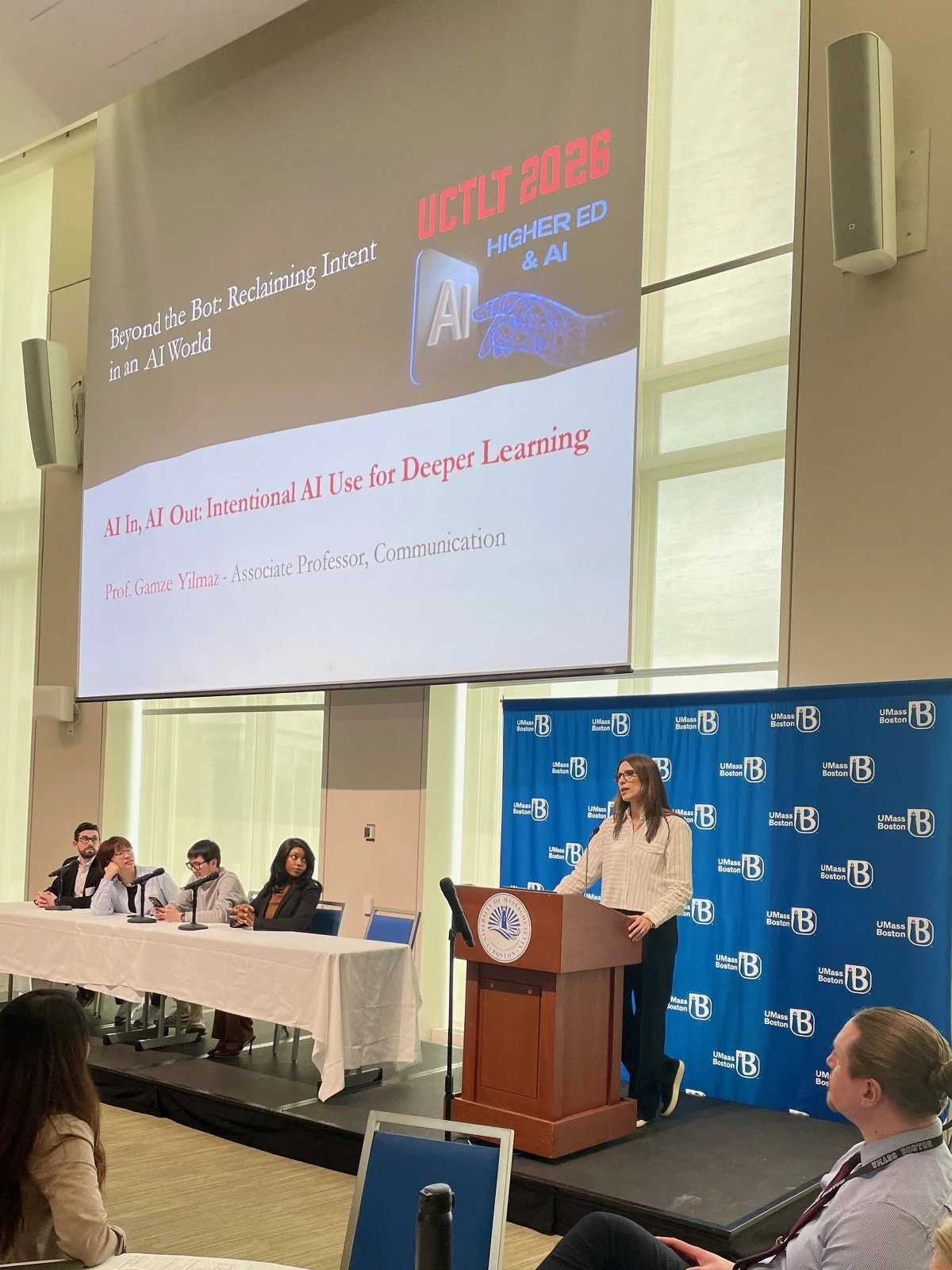
In September 2025, I was invited to speak on AI-enhanced pedagogy at the UMass Boston College of Liberal Arts Chairs Retreat. In my talk, I discussed the challenges of integrating AI into liberal arts education and shared strategies for innovating teaching practices in the age of AI. Faculty members raised important concerns about the potential diminishing of critical thinking skills, leading to rich discussions about how to promote critical thinking while thoughtfully incorporating AI into our pedagogical practices.
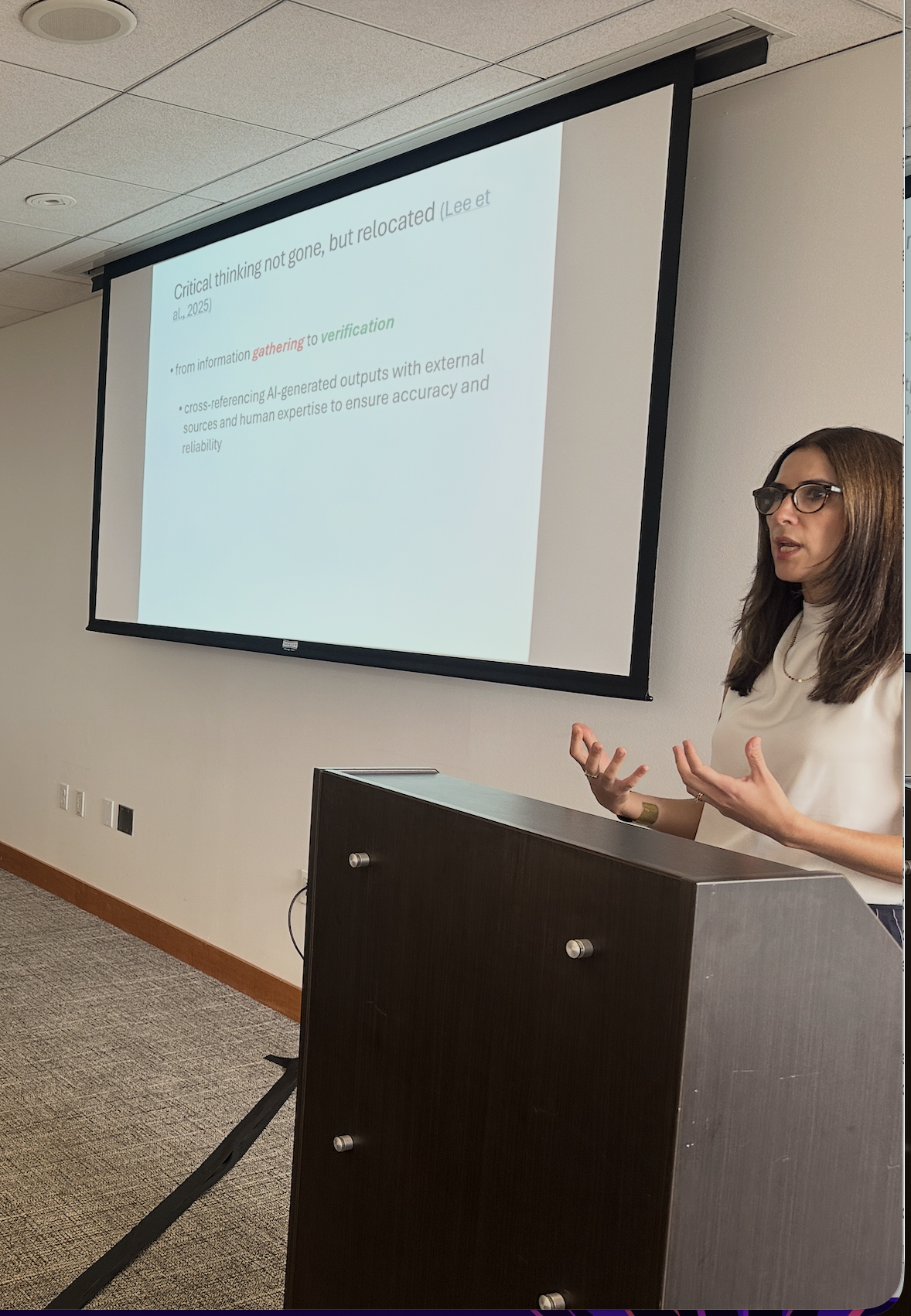
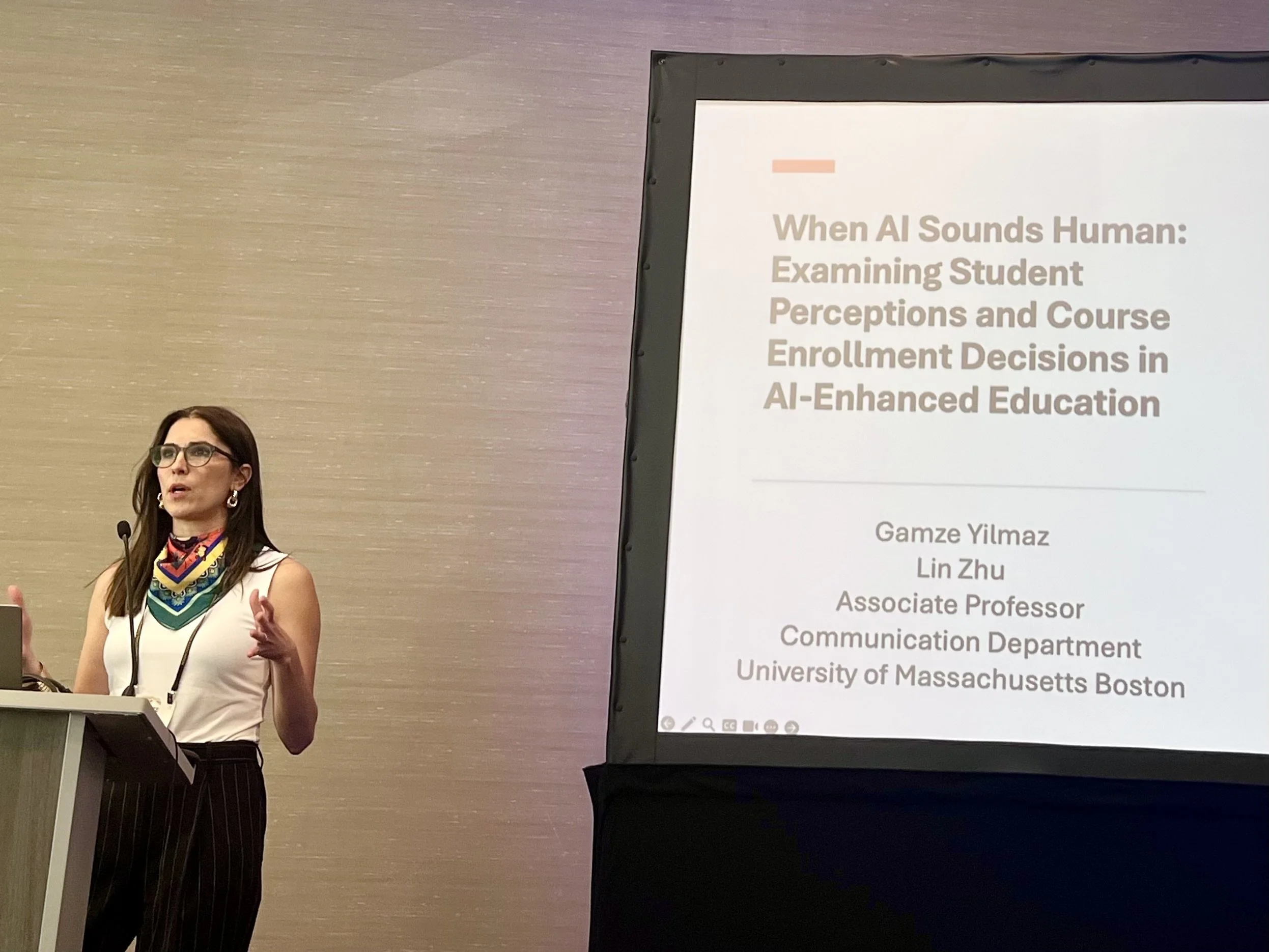
At the June 2025 International Communication Association Conference in Denver, I presented research on student attitudes toward AI versus human voices in online education and their intentions to take AI-instructed courses, while also demonstrating a pedagogical approach that teaches students to leverage AI to enhance rather than replace their thinking.
In April 2025, I was invited to give a guest lecture in Generative AI Applications in Social Science course at Virginia Tech. In this talk, I shared feasible strategies for cultivating a learning culture that encourages students to engage with AI intentionally and critically by adopting AI as a co-intelligence mechanism.

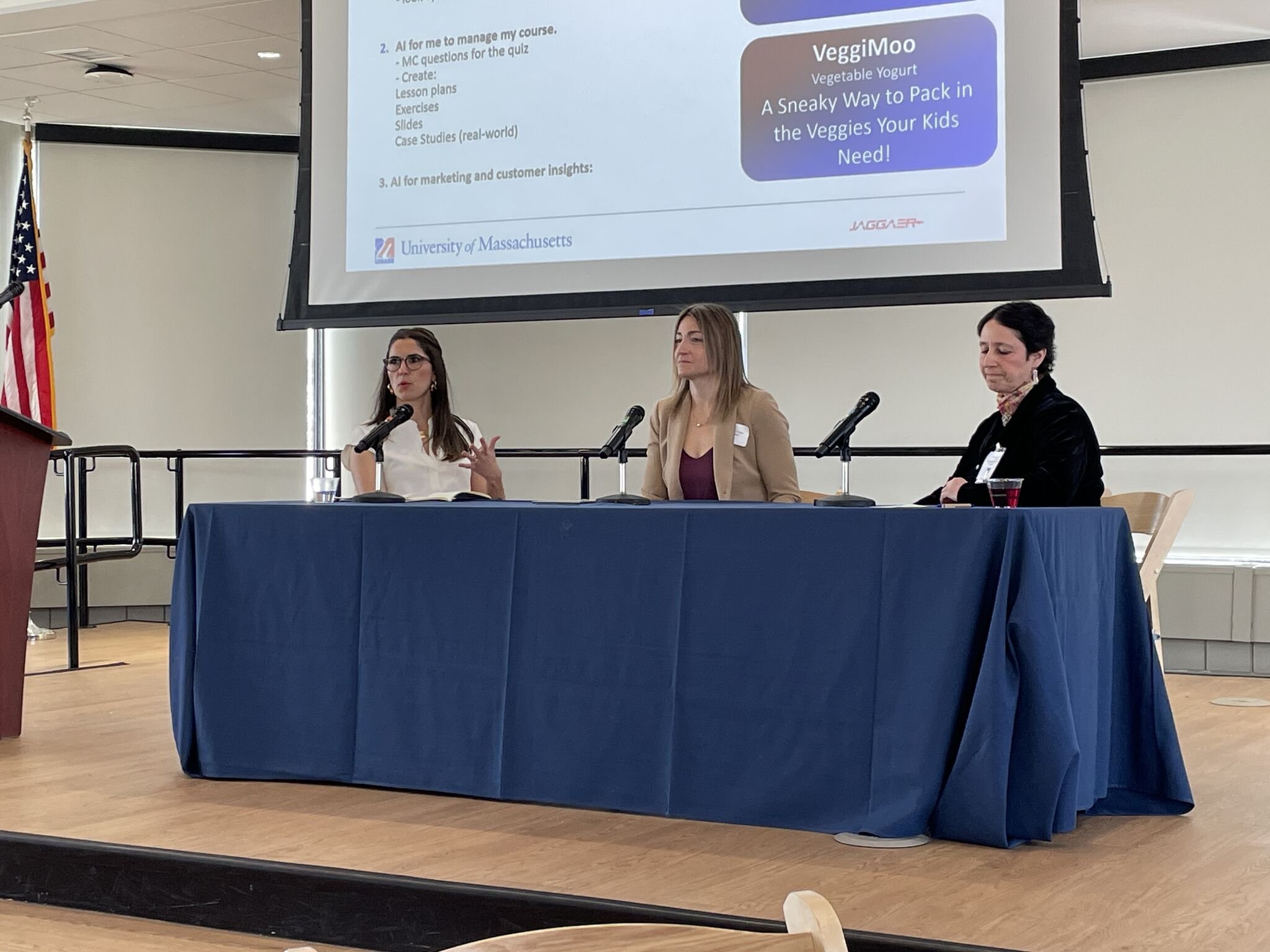
In April 2025, I joined the faculty panel at the University of Massachusetts AI Day to discuss my approach to integrating AI into teaching and learning, lessons learned and possible ways university leadership can support faculty members in critical AI adoption. We explored how to use AI in the classroom to "enhance" rather than "replace" critical thinking.
In October 2024, I was invited to give a talk at Applied Ethics Center. I shared my insights on integrating AI-enhanced learning activities and assignments across three communication courses. My presentation focused on two critical aspects of AI in higher education: developing students' AI literacy as an essential career readiness skill and exploring strategies to encourage responsible AI use. Drawing from my firsthand experience with AI-enhanced pedagogy, I discussed current trends in communication students’ use of AI at UMass Boston.
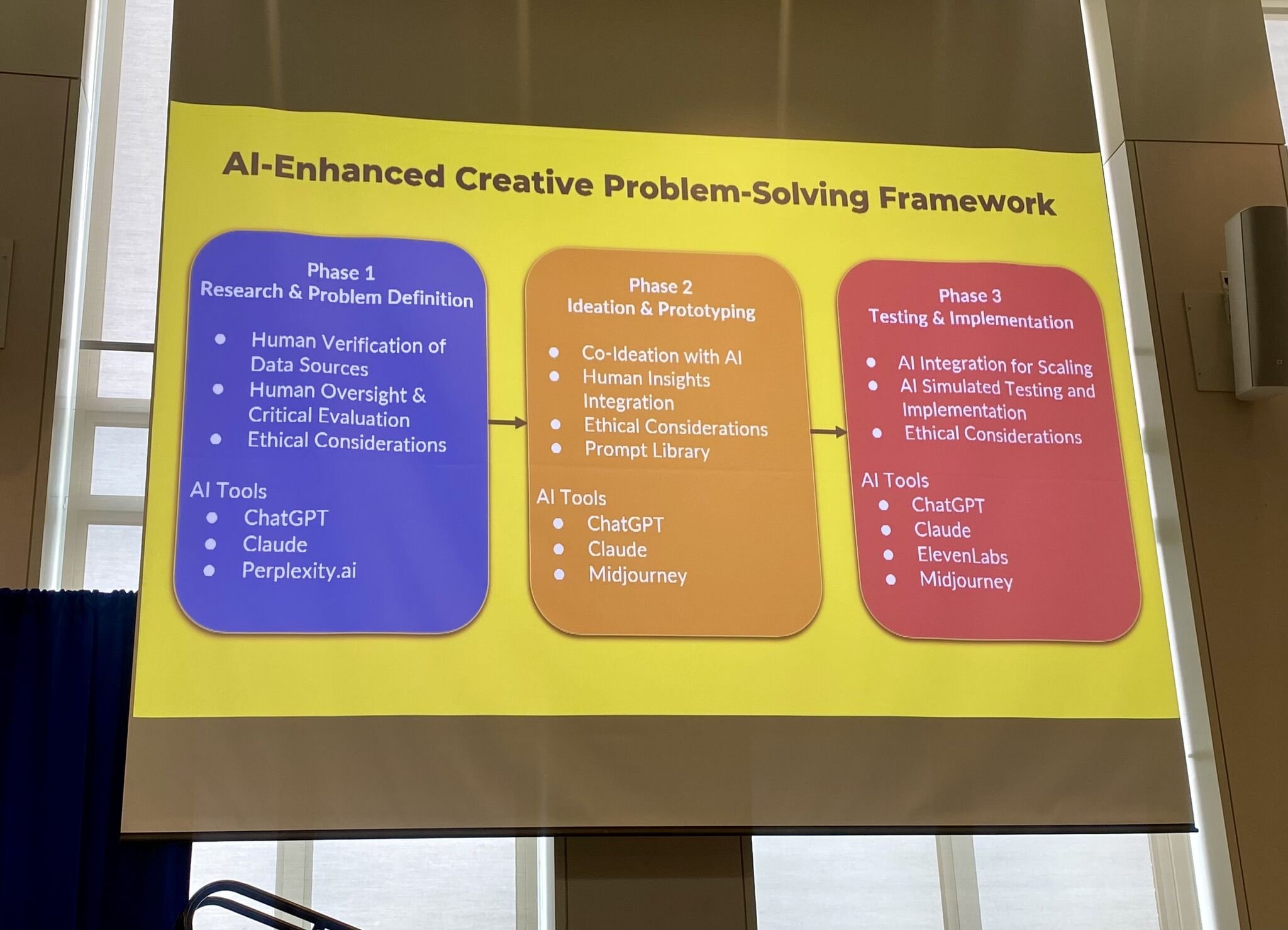
In August 2024, I delivered a talk at Paul English Applied AI Institute at UMass Boston to kick off “AI for All” talk series. In my presentation, I discussed main capabilities and limitations of GenAI, key tips for effective human-AI iterative problem-solving, practical applications of AI tools in creative projects, and ethical considerations and responsible use of AI.

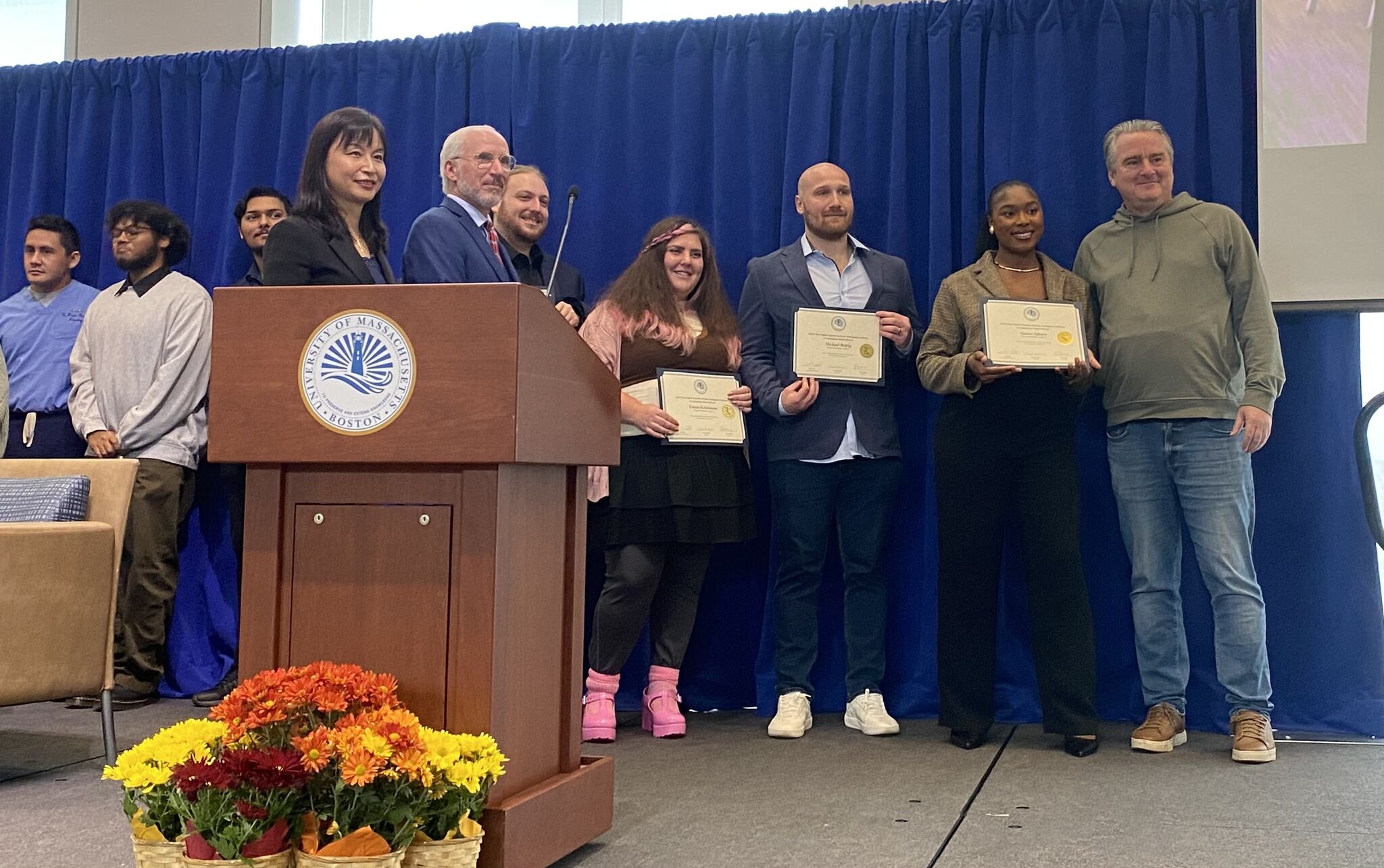
In October 2024, I proposed and mentored an AI-enhanced social innovation project to compete in the Paul English Applied AI Institute’s inaugural hackathon at UMass Boston. My team, namely Empathy Architects, earned 3rd place competing against 16 talented teams. Empathy Architects leveraged AI tools to simulate a creative problem-solving process focused on addressing the empathy gap between healthcare providers and patients from underserved communities.

There are no upcoming events at this time.